
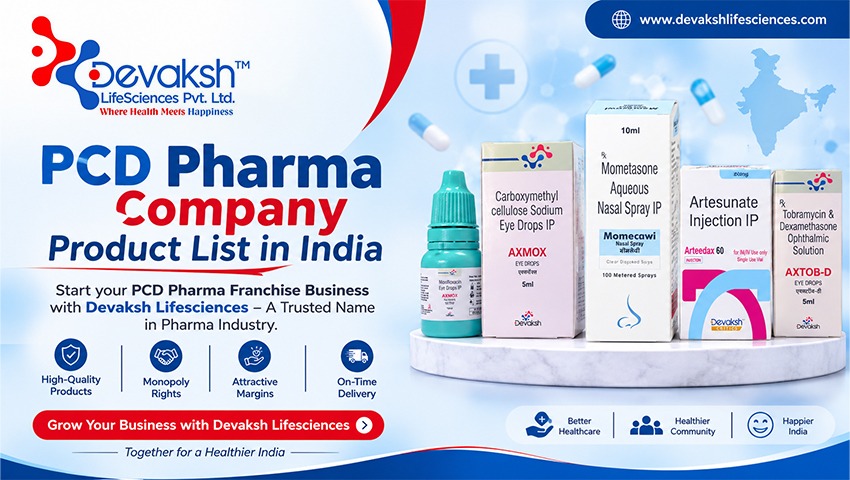
PCD Pharma Company Product List in India: A Practical Guide for Business Buyers
Choosing products for a pharmaceutical distribution or franchise business is about more than collecting a catalogue. The right portfolio should fit local prescribing patterns, meet quality and regulatory expectations, and be available consistently enough to support long-term customer relationships. That is why reviewing a PCD Pharma Company Product List in India carefully can make a real difference to distributors, franchise partners, wholesalers, and retailers.
Indian PCD pharma companies may offer products across general medicine, paediatrics, cardiology, dermatology, orthopaedics, eye and ear care, and other therapeutic segments. The exact range varies by company, manufacturing partner, licences, and market focus. This guide explains common product categories, what to check before partnering, and how to build a product portfolio that is sensible for your territory and business goals.
It is intended as business information, not medical advice. Medicines should be dispensed and used only in accordance with applicable laws, professional guidance, and approved product information.
What Does a PCD Pharma Product List Include?
PCD stands for “Propaganda-Cum-Distribution.” In this business model, a pharmaceutical company authorizes a distributor or franchise partner to promote and distribute selected products in an agreed market, often with defined territorial arrangements. Terms differ from one company to another, so the written agreement matters as much as the catalogue.
A PCD pharma product list is the company’s catalogue of available formulations and related product information. It may include the brand name, generic or active ingredient, strength, dosage form, pack size, and sometimes the therapeutic category. A useful catalogue should help a buyer understand what the company offers and what documentation, order conditions, and supply arrangements apply.
There is no single, universal product list for every PCD pharma company in India. Portfolios change, and a company may offer different products to different regions or partners. Treat any catalogue as a starting point: verify current availability, product details, and commercial terms directly with the company.
Common Categories in a PCD Pharma Company Product List in India
A broad product range can help a distributor serve different healthcare settings, but a long catalogue is not automatically a good one. What matters is whether the available formulations are appropriate for your market, supported by dependable supply, and backed by suitable product documentation.
1. Tablets
Tablets are among the most familiar and widely used dosage forms. Depending on the company’s portfolio, they may include products in areas such as general medicine, pain management, gastrointestinal care, allergy, respiratory health, cardiology, diabetes care, or nutritional supplementation. Formats can include conventional, dispersible, chewable, sustained-release, and other specialized tablets.
When comparing tablet products, check the active ingredient, strength, approved indications, pack size, storage instructions, and expiry period. Similar-looking brands may contain different ingredients or strengths, so avoid judging a product by its name alone. For business planning, consider whether local healthcare providers and retailers regularly request products in that category.
2. Capsules
Capsules may be available as hard- or soft-gelatin formulations, depending on the product. They are used across a range of therapeutic areas, including digestive health, pain management, anti-infective treatment, and nutritional support. Some catalogues also include combination products or specialized release formulations.
Review the ingredient and dosage details carefully, and check any storage requirements. Capsules can be more sensitive to temperature and humidity than some other forms. Packaging quality and suitable storage throughout the distribution chain are therefore important considerations.
3. Syrups, Suspensions, and Oral Liquids
Oral liquids are often included in portfolios aimed at children and patients who have difficulty swallowing solid dosage forms. They may include products for respiratory symptoms, gastrointestinal concerns, nutritional support, or other approved uses. A suspension may need to be shaken before use; the label and patient information should make such instructions clear.
For distributors, liquid products require practical attention to packaging integrity, leakage prevention, transport conditions, and shelf life. Check whether measuring devices or clear dosing instructions are supplied when appropriate. Do not make or imply treatment claims beyond the approved product information.
4. Eye Drops
Eye-care products are a distinct part of many PCD pharma catalogues. Depending on the company’s authorised range, eye drops may include lubricants, anti-allergy products, or other ophthalmic formulations. Because products intended for the eye must meet stringent safety and sterility expectations, this category deserves especially careful review.
Check the product’s composition, intended use, sterile packaging, seal integrity, storage guidance, and expiry details. Confirm that the manufacturer and product documentation support the formulation being offered. A general-purpose drop should never be presented as suitable for every eye complaint; patients should be directed to a qualified healthcare professional for assessment.
5. Ear Drops
Ear drops may be listed for specific ear-related uses, with the product’s composition and indications determining how it should be used. These products are not interchangeable. The condition being treated, the patient’s medical history, and the state of the eardrum can all matter, so professional advice is important.
From a business perspective, inspect bottle design, dropper quality, tamper evidence, labelling, storage instructions, and packaging protection. Ensure the product catalogue describes the formulation accurately and does not rely on broad claims that could be misleading.
6. Nasal Sprays and Nasal Drops
Nasal products may include saline formulations and other products intended for specific, approved uses. Sprays can be convenient for patients, but the nozzle, pump, container seal, and directions for use all contribute to the quality of the product experience. A clear label should explain the appropriate use and storage requirements.
When reviewing nasal sprays, ask about pack sizes, device specifications, quality controls, and consistent availability. Avoid assuming that products with similar packaging have the same ingredients or suitability. The catalogue and approved product information should guide how each item is described.
7. Injections and Critical Care Products
Some companies offer injectable medicines or products intended for hospital and critical care settings. This may include products used in areas such as emergency medicine, anaesthesia, intensive care, or other specialist services. Such products call for additional due diligence because handling, storage, supply continuity, and professional use can be particularly important.
Before adding injectables or critical care products to a portfolio, verify the product’s applicable licence and documentation, manufacturing source, storage and transport conditions, and availability. Cold-chain requirements may apply to certain products; confirm these rather than relying on assumptions. These products are for qualified healthcare settings and must be handled in accordance with applicable rules.
8. Other Pharmaceutical Formulations
A comprehensive PCD pharma company product list may include many other formats, depending on its specialities and manufacturing arrangements. Examples include:
- Topical creams, gels, and ointments for selected dermatology or pain-related uses.
- Powders and sachets for oral use or other approved purposes.
- Paediatric drops designed for particular age groups and dosing needs.
- Suppositories and other less common dosage forms, where available.
- Nutrition and wellness products, such as vitamins or mineral supplements, subject to applicable requirements.
- Orthopaedic, cardiac, diabetic, and dermatology products within a company’s authorised therapeutic portfolio.
These categories are examples, not a promise that every company offers every formulation. Always check the current catalogue and product-specific information.
Potential Benefits of Choosing Products from a PCD Pharma Company
A well-chosen portfolio can support a more organized distribution business. The advantages depend on the company’s actual capabilities and agreement, so confirm each point before making a commitment.
- Range selection: A catalogue with relevant therapeutic segments can help partners serve a defined customer base without sourcing every product from a separate supplier.
- Territory-focused promotion: Some arrangements provide defined areas or promotional rights. Ask how exclusivity works, how it is documented, and whether any conditions apply.
- Business support: Companies may provide product information, promotional materials, or onboarding assistance. Clarify what is included and whether materials are current and compliant.
- Flexible portfolio planning: Partners may be able to begin with a focused selection and expand as demand and supply performance become clearer.
- Brand-building opportunity: Consistent service, responsible product information, and reliable availability can help develop trust with pharmacies and healthcare customers over time.
- Product formats for varied needs: Tablets, capsules, liquids, topical products, and other formulations can serve different distribution channels when selected thoughtfully.
How to Evaluate a PCD Pharma Product List
Check Product Quality and Documentation
Do not assess quality from brochure design or sales claims alone. Ask for relevant licences, product approvals, manufacturing details, and quality documentation. Confirm that the company and its manufacturing partners hold the permissions required for the products they supply. Depending on the product and arrangement, buyers may also request details about quality systems, testing, batch traceability, and complaint handling.
Manufacturing certifications should be genuine, relevant, and current. Verify their scope and issuing authority where possible; do not assume that one certificate covers every facility or product. Ask who is responsible for quality complaints, product recalls, and communication if an issue arises.
Review Packaging, Labelling, and Storage
Packaging protects the product and communicates essential information. Inspect the quality of cartons, bottles, seals, blisters, droppers, and spray devices. Labels should be legible and provide the required product details, batch information, dates, storage conditions, and directions or warnings as applicable.
Check whether packaging is suitable for local distribution and handling. Fragile bottles, leak-prone containers, or unclear storage instructions can create avoidable problems. For temperature-sensitive products, establish how storage and transport will be managed and documented.
Assess Local Demand and Competition
A large product list does not mean every item will sell in your territory. Study local prescribing and purchasing patterns, the pharmacies or clinics you intend to serve, and the product categories already supplied by competitors. Gather feedback from legitimate business contacts, while avoiding any improper inducement or promotion.
Consider a focused starter range rather than ordering broadly without evidence of demand. A practical selection may include a few relevant products across one or two therapeutic areas, subject to the company’s terms and local market needs. Track reorder patterns and expiry risk before expanding.
Confirm Availability and Supply Reliability
Ask which items are currently in stock, which are made to order, and what lead times apply. Clarify minimum order quantities, dispatch timelines, back-order procedures, and how the company communicates stock changes. A product that frequently becomes unavailable may be difficult to build into a dependable retail or distribution plan.
Also ask about the company’s process for handling damaged shipments, short deliveries, near-expiry stock, returns, and transport issues. Get these terms in writing rather than relying on informal assurances.
Understand Commercial and Territory Terms
Before signing, review the commercial terms and franchise or distribution agreement carefully. Check the territory definition, exclusivity conditions, order targets, payment terms, pricing, promotional responsibilities, renewal or termination provisions, and any restrictions on other product lines. Confirm whether the company expects a particular investment or sales commitment.
Do not assume that “monopoly rights” mean the same thing in every arrangement. Ask what happens if targets are missed, if a product is discontinued, or if supply is interrupted. Consider taking professional advice if the agreement is unclear or involves a significant financial commitment.
Match the Portfolio to Your Business Capacity
Choose products you can store, promote, and distribute responsibly. Consider working capital, warehouse conditions, staff knowledge, transport access, and the type of customers you serve. A specialized injectable portfolio, for example, may demand different infrastructure and expertise from an ordinary retail-focused range.
For readers comparing company options, [explore Devaksh Life Sciences’ website](https://www.devakshlifesciences.com/) as one place to learn more about a pharma company and its offerings. Verify current product availability, documentation, and business terms directly with the company before proceeding.
Practical Steps for Building a Product Portfolio
- Define your market: Identify your service area, intended customers, and therapeutic segments that fit their needs.
- Shortlist companies: Compare product categories, documentation, communication, supply capabilities, and business terms.
- Request the current catalogue: Confirm the active ingredient, strength, dosage form, pack size, and availability for each product of interest.
- Verify the details: Review licences, quality information, storage requirements, and the company’s process for complaints and returns.
- Start selectively: Build a manageable product mix based on realistic demand and available working capital.
- Review performance: Monitor sales, stock movement, expiry dates, customer feedback, and fulfilment reliability before adding products.
Frequently Asked Questions
What is included in a PCD Pharma Company Product List in India?
It usually includes the company’s available branded formulations across one or more therapeutic categories. Listings may specify brand name, composition, strength, dosage form, and pack size. The details and categories vary by company, so request the latest catalogue and verify each item’s current status.
Do all PCD pharma companies offer the same products?
No. Product ranges differ according to a company’s specialities, manufacturing arrangements, approvals, and business model. Some focus on general medicine, while others emphasize areas such as paediatrics, dermatology, ophthalmology, cardiology, or hospital products.
Which product categories are commonly available?
Common catalogue categories can include tablets, capsules, syrups, suspensions, eye drops, ear drops, nasal sprays, topical formulations, and—in some portfolios—injections or critical care products. Availability is company-specific, and products must be used only for their approved purposes.
How can I check whether a pharma company is reliable?
Review relevant licences, manufacturing and quality documentation, product information, supply history, complaint-handling processes, and written commercial terms. Verify documents rather than relying solely on promotional claims. If anything is unclear, seek independent professional guidance before making a commitment.
What should I check before choosing eye drops or injectable products?
Pay close attention to product-specific documentation, sterile packaging, storage conditions, manufacturing source, batch information, and supply arrangements. For some products, special storage or handling may be required. Confirm the applicable requirements with the company and follow professional and regulatory guidance.
Can a new distributor start with a small selection?
That depends on the company’s minimum order quantities, territory terms, and commercial policy. Ask whether a focused starter order is possible and compare its costs with your expected demand, storage capacity, and working capital.
Does a product catalogue guarantee stock availability?
No. A catalogue may include products that are temporarily unavailable, made to order, or subject to change. Confirm current stock, lead times, minimum order requirements, and how discontinued or delayed products are handled before placing an order.
How do I decide which products will sell in my area?
Review the customers you intend to serve, the categories they currently purchase, local competition, and feedback from legitimate business contacts. Start with a manageable range, monitor actual movement and reorders, and expand based on evidence rather than catalogue size alone.
Conclusion
A PCD Pharma Company Product List in India can cover a wide range of dosage forms and therapeutic segments, from everyday tablets and capsules to eye drops, ear drops, nasal sprays, topical products, and specialized hospital formulations. But a catalogue is only one part of a sound business decision. Product quality, documentation, packaging, local demand, availability, storage needs, and clear commercial terms all deserve careful attention. For additional information about pharmaceutical quality standards and manufacturing practices, businesses can refer to the World Health Organization (WHO).
For distributors, franchise seekers, wholesalers, and retailers, the best approach is to compare companies methodically, verify product-specific information, and begin with a portfolio that fits the market and the resources available. A thoughtful selection, supported by dependable supply and responsible product communication, is more useful than a long list of products that may not

